
Covid-19 a catalyst for change
by Dr Amna Khan*
Who would have thought that a pandemic – essentially a health crisis, first discovered in a Wuhan market in China a year ago (December 2019) – would turn into an economic crisis, disrupting global markets and economies, becoming a catalyst for change consumer behaviour?
Some compare the disruption caused by the pandemic to wartime experiences: the pandemic has profoundly changed the way we live, work and shop. With a vaccine (or three), there is hope that there is an end and light on the other side of this dark and dreary tunnel. Witnessing a global pandemic for over a year now, the question everyone wants to an answer to is “will the post-pandemic consumers revert back to pre-pandemic behaviour, or has this transition changed retailing consumption behaviour for good”?
The digital native
It is safe to say that 2020 has been the year that consumers shopped online like never before!
“87 percent of British consumers stated utilizing online channels to make purchases. This demonstrates that e-commerce in the UK shows no signs of slowing down in the future”. (www.statista.com)
Almost everyone has been turned into a digital native. As soon as the pandemic hit, consumers – restricted by national lockdowns and with only essential stores operating – quickly turned to shopping online, However, unlike the pre-covid era, new and diverse audiences have now been introduced to the world of online shopping.
The impacts of covid-19 predominantly affected the elderly, who found themselves isolated into their own homes or institutions. Grandparents and elderly parents, who may have never shopped online before covid-19 now, now complete their shopping online.
Tesco Ceo Jasson Tarry, reports in WRC “A significant number of people used online shopping for the first time during lockdown and found it a positive experience.” (World retail )
During the pandemic online shopping is safer than going in store, more convenient and frankly easier. Once the dust settles and we return to normal activity, will those new digital natives rush back into store? A hybrid-approach that blends on and offline shopping will prevail. For some product and services, in-store shopping where experience and inspiration are important aspects of the decision-making process, in-store activity will remain. However, post-pandemic behaviour is unlikely to return to the habit of purchasing everything in store. All trends illustrate that e-commerce has grown exponentially this year, both from existing digital natives and from new ones. For sure, once consumers have tasted the sweetness of shopping online, this new habit and consumption behaviour are likely to continue.
Retailers must embrace this channel, realign, reposition or accelerate digital strategies to engage with an increasingly digital consumer.
The rise of local and independent shopping
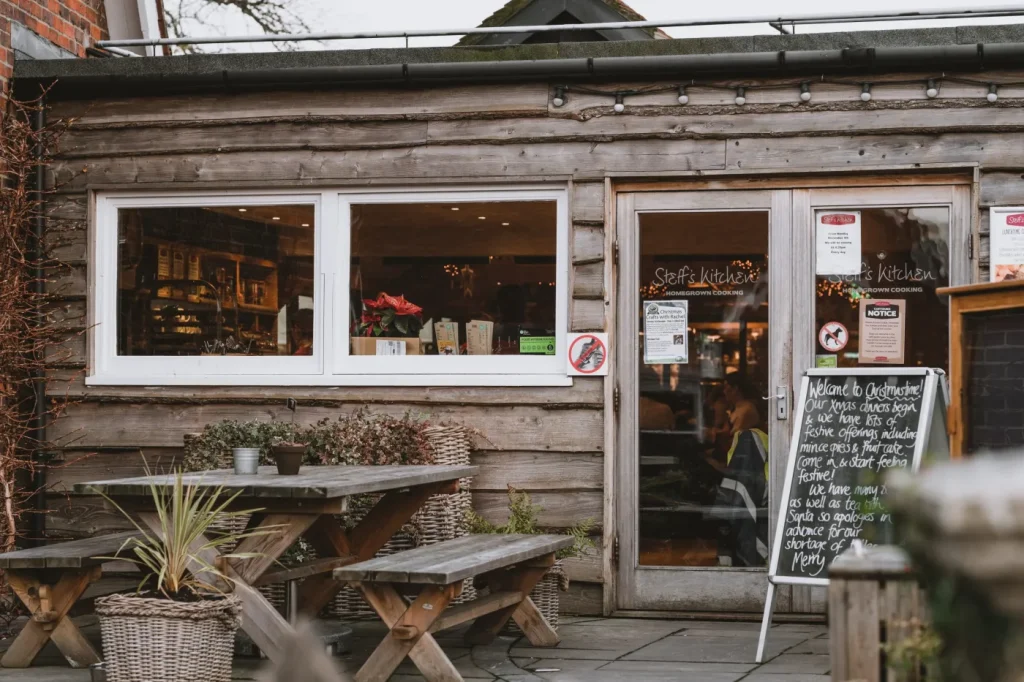
The global lockdown bought the world to a standstill with offices closed and employees instructed to work from home. Pandemic restrictions resulted in people spending most if not all of their time in their local area. Working from home has become the order of the day. Coupled with the desire to avoid large shopping centres as a result of safety concerns and the newfound interest for neighbourhoods and support for independent businesses, many consumers switched to shopping and services within their local area. “Searches for support local businesses’ have grown globally by more than 2,000 times year on year” (Retail weekly). These often small and local independents create a distinctive and authentic community-based feel to the shopping experience, and in response to pandemic restrictions many local independent businesses have developed online offerings, successfully engaging with their customers.
Support for local businesses will be local, but the demand for local and independent will be online too. Smaller independent retailers need to maintain the momentum and creativity harnessed in the lockdowns. Implementing an online strategy which provides online purchasing and consumer engagement through social media channels will be essential.
Working from home is likely to stay after the pandemic: “Consultancy Gensler’s UK Workplace Survey 2020, carried out in August, found that more than two-thirds of the UK workforce would prefer a hybrid model moving forwards.” As consumers spend more time in their local areas and re-connect with local providers, they will likely support small, local and independent businesses once the pandemic lockdown measures ease down. Tired of the same old feel to out of-town-shopping centres, consumers are likely to stay local and large retailers need to refocus their efforts to the local high-street. Bringing stores to neighbourhoods in different formats will be essential, as consumers spend more time where they live and retailers and brands need to follow this trend.
Going forward to build a community-centric approach larger retailers can develop partnerships with local independent retailers, whereby local retail will be part of their strategy. For example, online channel fulfilment, e.g. click and collect service through local providers enables a brand presence in local high streets .
The pandemic has shaped, evolved and transformed consumers behaviour and subsequently retail consumption.
This article was first published here: http://blog.placemanagement.org/2021/01/15/covid-19-a-catalyst-for-change/
*Dr Amna Khan is a Senior Lecturer in Marketing, Retail and Tourism at Manchester Metropolitan University. You can find Amna’s profile here.