
Diversity and Inclusivity in modern commerce
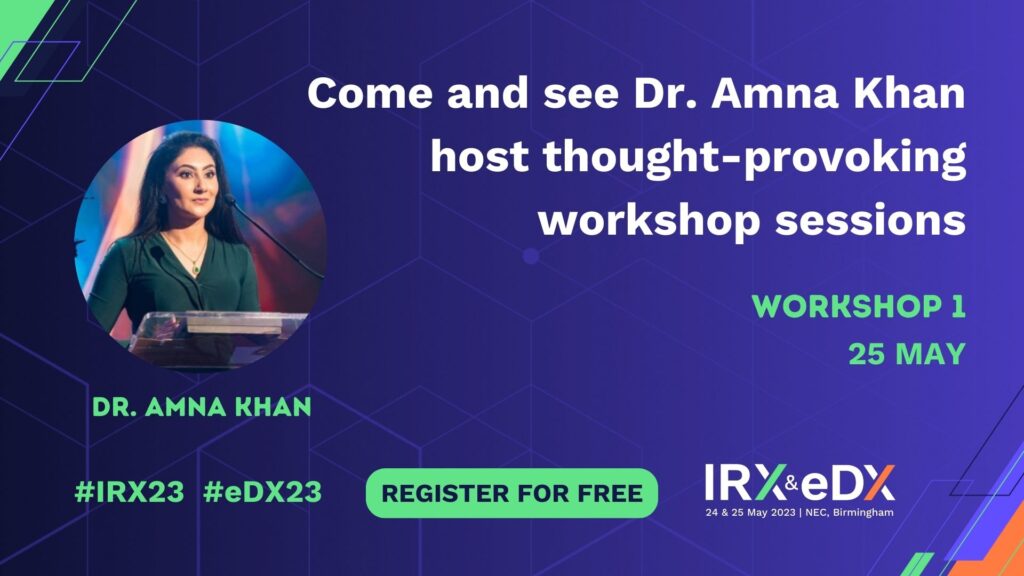
If you are interested in diversity and inclusivity then the #IRX & #eDX23 have got you covered. A track is dedicated to D&I in modern commerce, from keynotes, panel discussions, roundtables to networking, it is an open invitation for all to engage in dialogue to challenge the status quo and initiate necessary change!
The track addresses key issues that are the conversation in every organisation -from the boardroom to the shopfloor. How do we create more inclusive and diverse workplaces, support progression of diverse leaders, looking outwards to the changing landscape, how do retailers connect authentically with diverse consumer groups!
I am looking forward to the networking breakfast, followed by a keynote on building resilience. The first panel addresses a timely and important discussion for many retailers, how to achieve greater diversity in leadership. Dame Sharon White, Chair of John Lewis Partnership, admitted on IWD that she found it difficult ‘to recruit men’ because of high proportion of female representation in senior positions. Diversity in leadership is a necessity whether, that be gender, ethnicity, disability or beyond. Research confirms the benefits of diversity at all business levels, more innovation, better financial performance, improved organisational culture and staff wellbeing. Yet there still appears to be a resistance to change. This panel with provide insights on how diverse leadership team benefits retailers and vendors. A much needed conversation, which provides an opportunity to discuss the routes to progression, such as recruitment and selection, progression, through mentorship and allies – I am really looking forward to listening to fresh insights to tackle these issues.
The roundtable session covers all things diversity and inclusion, I will be leading two roundtable discussions that address diverse consumer needs from an ethnic and religious perspective.
The first roundtable discussion will address the ethnic consumer and their consumption. As the ethnic population continues to grow within the UK there is no doubt about the increasing importance of the ethnic pound, whether that be the Brown or Black pound. Census data from 2021 indicates that 5.5 million people (9.3 %) were from Asian groups and 2.4 million people (4.0%) were from black ethnic groups. This growing affluence of these consumers offers huge opportunities for to retailers, yet these consumers are largely unserved by retailers.
The limited representation of ethnic diversity has and still is an issue in retailing. For cultural consumption needs, ethnic consumers need to shop with an ethnic owned brand or businesses. There has been a shift in the narrative, with The Black Lives Matter movement in 2020 becoming a catalyst for greater racial equality in society, retailing and consumption. Today’s consumer demands representation of ethnicity in the retailing offer, from product conception to consumption. Serving the ethnic consumers with authenticity presents a huge opportunity, not only financially, but it also demonstrates values and purpose. Shoppers vote with their wallets and are seeking business that align with their values. This is an opportunity to serve an underserved consumer, but rather than go it alone, retailer have a wealth of knowledge expertise and experience that they can tap into the partnering with ethnic brands and business. So how can we champion ethnic founders, make our high-streets and shopping centres more ethnically inclusive, what role does modern commerce in creating more diversity and inclusivity from the production to consumption?
The second key issue to be discussed in religious consumption again faced with similar issues, it is the religious community that are often tasked with creating products to serve the religious needs and identity of consumer. Take for example Islam is it the world’s fasted growing religion, which is forecasted to have over 3 billion followers by 2060 (Pew Research cited in WARC).
We are witnessing a growing interest from consumers to adopt religious consumption, such as avoiding alcohol consumption, or through eating halal meat and/or modesty in attire. Brands such as Gymshark are merging two forms of the consumers identity, Muslim women religious identity and also their cultural consumption of sport through the introduction of a sports Hijab. Thus, there are many opportunities for retailer and brands to connect with the with these consumer, who wants to mix their cultural and religious identity. We explore how brands can champion religious consumption as part of their offer. How can modern commerce support religious consumption from production to consumption, and how can retailers work with influencers/deinfluencers to co-create the narrative.
Aside from all the great discussions, there is also networking power hour, to connect, engage and discuss diversity and inclusivity issues with like-minded peers.
To create change, we collectively need to challenge the current narrative, this track provides a unique opportunity to do that. I am certain that you will be informed, engaged and inspired to create change to make your organisation more diverse and inclusive.